The Rise of Hybrid and Electric Vehicles in Bali

marcell
July 16, 2026
7 min read
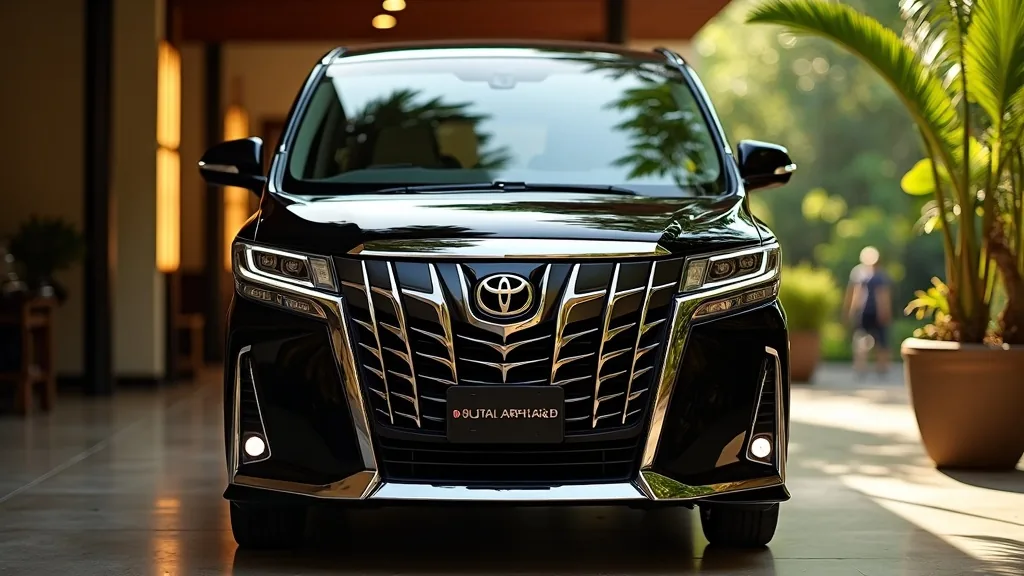
In 2027, hybrid electric vehicles in Bali are gaining popularity due to increasing environmental awareness and government incentives promoting green transport.
Hybrid Electric Vehicles in Bali
The push for sustainable transport solutions in Bali has led to a significant increase in the usage of hybrid electric vehicles. This trend is driven by a combination of government initiatives to reduce carbon emissions and the increasing availability of eco-friendly vehicles. As a result, hybrid electric vehicles are becoming a pivotal part of Bali’s transport landscape.
The Balinese government’s approach includes a number of specific measures aimed at encouraging the adoption of hybrid vehicles. Financial incentives for hybrid car buyers, such as tax reductions and subsidies, have made these vehicles more accessible to a broader segment of the population. Additionally, the government has introduced policies that favour the import of environmentally friendly vehicles, reducing tariffs and simplifying the importation process.
Manufacturers are responding to this growing demand by introducing a wider range of hybrid models. Brands like Toyota, Honda, and Hyundai have expanded their offerings to include vehicles that cater to different preferences and budgets. This increased variety helps consumers find hybrid vehicles that meet their specific needs, whether for personal use or business purposes.
Green Transport in Bali
The concept of green transport in Bali is evolving, with hybrid and electric vehicles at the forefront. Environmental concerns and the need for sustainable tourism practices have seen a noticeable shift towards cleaner transport options. Bali is investing in infrastructure to support this transition, including the development of more charging stations and incentives for electric vehicle purchases.
To facilitate the transition to green transport, the Balinese government has implemented a comprehensive plan focusing on infrastructure development and public education. Key components of this plan include increasing the number of charging stations and integrating renewable energy sources into the power grid. These efforts aim to make green transport not only more accessible but also more appealing to both locals and tourists.
Public transport systems are also being upgraded to include hybrid and electric buses. These buses are being introduced on popular routes, particularly those frequented by tourists, to reduce emissions and promote sustainable travel. By improving public transport options, Bali aims to decrease the reliance on conventional vehicles and reduce traffic congestion.
EV Trends 2027
By 2027, the electric vehicle market in Bali is expected to expand significantly. Key trends include the adoption of smart charging solutions, integration of renewable energy sources, and advancements in battery technology. The Balinese government continues to promote these developments, aiming to reduce reliance on fossil fuels and improve air quality.
One significant trend is the integration of smart charging technology, which allows for more efficient energy use and management. This technology enables vehicles to charge during off-peak hours, reducing strain on the power grid. Additionally, advancements in battery technology are leading to longer-lasting batteries with quicker charging times, making electric vehicles more convenient for daily use.
Renewable energy sources, particularly solar power, are increasingly being used to power charging stations. This not only reduces the carbon footprint of electric vehicles but also ensures that the energy used is sustainable. The government is collaborating with private companies to develop solar-powered charging stations, particularly in remote areas where access to the traditional power grid may be limited.
How is the adoption of hybrid and electric vehicles progressing in Bali?
The adoption of hybrid and electric vehicles in Bali is steadily progressing, supported by government subsidies and a rising public interest in sustainable transport options. The availability of various models and the development of necessary infrastructure are also contributing factors.
Public awareness campaigns have been instrumental in educating the population about the benefits of hybrid and electric vehicles. These campaigns highlight the environmental and economic advantages of switching to green transport, such as reduced emissions, lower fuel costs, and decreased maintenance expenses.
As the infrastructure supporting electric vehicles continues to improve, more residents are considering making the switch. The convenience of having accessible charging stations and the prospect of future technological advancements are encouraging factors for potential buyers. Additionally, the presence of hybrid and electric vehicles in rental fleets is introducing tourists to these options, further promoting their adoption.
Infrastructure Developments Supporting EVs
- Installation of charging stations across major tourist areas and urban centres.
- Incentives for businesses to install EV charging facilities.
- Development of solar-powered charging stations to enhance sustainability.
The Indonesian government, alongside local authorities, is playing a crucial role in building the required infrastructure to support the growing number of electric and hybrid vehicles. This includes the establishment of a network of charging stations that cater to both locals and tourists, ensuring that green transport in Bali is both viable and convenient.
Businesses are being encouraged to participate in this transition through incentives that support the installation of charging facilities. These incentives include financial assistance and streamlined processes for obtaining the necessary permits. By involving the private sector, the government aims to accelerate the development of a comprehensive charging network.
Efforts are also being made to ensure that charging stations are strategically located in areas with high vehicle traffic, such as shopping centres, hotels, and tourist attractions. This strategic placement maximises the convenience for electric vehicle users and encourages more people to consider transitioning to green transport.
2027 Note: Future Prospects
As of 2027, Bali aims to be a leader in sustainable tourism within Southeast Asia. With continued investment in green transport infrastructure, the island is well-positioned to achieve its environmental goals. The commitment to expanding the hybrid and electric vehicle market is a reflection of Bali’s dedication to preserving its natural beauty while accommodating the growing number of visitors.
Looking forward, Bali intends to increase collaboration with international partners to access advanced technologies and expertise in green transport. By doing so, the island hopes to further enhance its transport infrastructure and become a model for sustainable tourism in the region.
FAQ
What incentives exist for hybrid and electric vehicle owners in Bali?
Incentives include tax reductions, subsidies for vehicle purchases, and discounts on charging station installations, encouraging more residents and businesses to adopt green transport solutions.
Are there sufficient charging stations for electric vehicles in Bali?
Yes, Bali has developed a network of charging stations concentrated in urban and tourist areas, with plans for further expansion to ensure comprehensive coverage across the island.
How does Bali Alphard support the use of hybrid and electric vehicles?
Bali Alphard offers an array of eco-friendly transport options, aligning with the island’s green initiatives. Discover more about their services by exploring our offerings or meet Elena Alistair, our specialist.