Sustainable Luxury Travel 2027: Emerging Trends and Insights
-
marcell
- 16 July 2026
- 6 menit baca
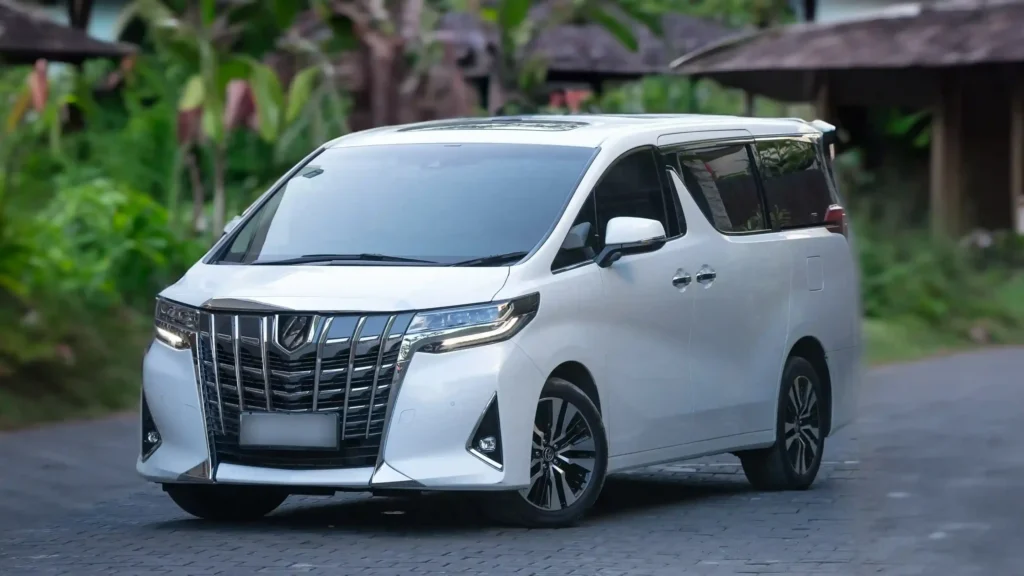
By 2027, sustainable luxury travel will be defined by eco-friendly innovations, prioritising sustainability in tourism while maintaining high-end experiences.
Sustainable Luxury Travel 2027
In the evolving landscape of travel, the year 2027 is set to witness significant advancements in sustainable luxury travel. As the world shifts towards more eco-conscious living, the travel industry is expected to blend luxury with sustainability, ensuring that opulent experiences do not compromise the planet’s health. This balance is crucial as discerning travellers seek experiences that are both indulgent and responsible. The demand for sustainable luxury will drive changes in how travel experiences are curated, with a focus on both environmental responsibility and high-quality service.
The global luxury travel market is projected to grow substantially, with an increasing percentage of this growth attributed to environmentally conscious offerings. According to industry reports, the market for sustainable luxury travel could reach tens of billions of pounds by 2027. This growth is expected to be driven by a new generation of affluent travellers who prioritise environmental impact alongside luxury.
Eco-Friendly Travel: The 2027 Perspective
Eco-friendly travel in 2027 will transcend beyond mere token gestures. The luxury travel sector is anticipated to adopt comprehensive sustainable practices, from carbon-neutral accommodations to plastic-free amenities. Luxury hotels and resorts are expected to invest in renewable energy sources such as solar and wind power, aiming to achieve net-zero carbon emissions. The use of innovative building materials, such as recycled steel and sustainable wood, will become more common. Properties may be constructed or renovated with green roofs and walls to enhance biodiversity and reduce energy consumption.
In addition to infrastructure, the luxury travel industry will focus on conservation and community engagement. For example, hotels might partner with local conservation organisations to protect endangered species and habitats. Travellers will be encouraged to participate in these initiatives, such as tree planting or wildlife monitoring, providing a deeper connection to the environment. The rise of eco-certifications will guide travellers in choosing accommodations and services that adhere to stringent environmental standards.
Sustainability in Tourism: A Core Focus
Sustainability in tourism is no longer optional but a necessity. By 2027, it will be embedded in the ethos of luxury travel providers. The integration of sustainable practices will extend to curated experiences that educate and engage travellers in environmental stewardship. This shift will see a rise in eco-tourism offerings, where luxury is not just about opulence but also about contributing positively to the environment and society. For instance, luxury tour operators might offer guided experiences that highlight local conservation efforts or cultural preservation projects.
Furthermore, the economic benefits of sustainable tourism will be increasingly recognised. By supporting local economies through sustainable practices, the tourism industry can help alleviate poverty and promote economic stability. Community-based tourism initiatives will focus on involving local populations in the tourism value chain, offering authentic experiences while ensuring that financial benefits remain within the community.
Technology’s Role in Sustainable Luxury Travel
Technology will play a pivotal role in shaping sustainable luxury travel. Innovations such as AI-driven personalisation, smart sustainable infrastructure, and the use of blockchain for transparent operations will enhance the travel experience. These technologies will allow for personalised itineraries that minimise environmental impact while maximising traveller satisfaction. AI can help optimise travel routes to reduce emissions and suggest activities that align with a traveller’s environmental preferences.
Blockchain technology will be used to ensure transparency in sustainable practices, allowing travellers to verify the environmental credentials of their choices. This could include tracking carbon offsets or verifying the sustainability of supply chains. Smart infrastructure, such as energy-efficient lighting and water-saving systems, will be integrated into luxury properties, significantly reducing their environmental footprint.
Sustainable transport options, such as electric and hybrid vehicles, will become standard offerings for luxury travellers. The adoption of electric aircraft for short-haul flights and the development of hydrogen-powered vehicles will further reduce the carbon footprint of luxury travel.
Personalisation and Sustainability
Luxury travel in 2027 will see a strong focus on personalisation, with an emphasis on sustainability. Travellers will have the opportunity to tailor their experiences to align with their personal values and environmental concerns. This customisation will include eco-friendly accommodations, locally-sourced gourmet experiences, and bespoke activities that promote local culture and heritage. Personalised travel itineraries might include private tours of organic vineyards or workshops with local artisans using sustainable materials.
The luxury travel sector will increasingly offer packages that include options for carbon offsetting, allowing travellers to mitigate the environmental impact of their trips. Additionally, concierge services will be trained to assist clients in making eco-conscious choices throughout their stay, from selecting sustainable dining options to arranging environmentally friendly transport.
- Carbon-neutral accommodations
- Plastic-free amenities
- Locally-sourced gourmet experiences
- Electric and hybrid transport options
- Community-based tourism initiatives
2027 Note on Sustainable Luxury Travel
By 2027, the travel industry will witness a tangible shift towards sustainable luxury, driven by consumer demand and environmental necessity. Travel providers will need to adapt by integrating eco-friendly innovations and sustainable practices into their offerings. This shift not only enhances the travel experience but also protects the planet for future generations. The increased awareness and demand for sustainable options will likely lead to industry-wide changes, with more stringent regulations and incentives for eco-friendly practices.
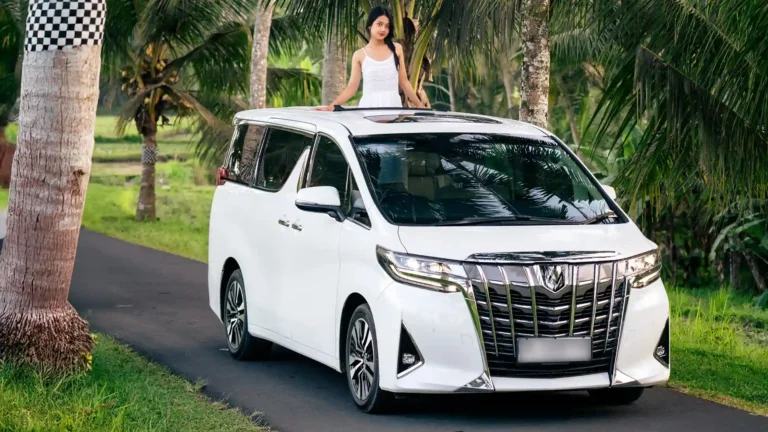
For those interested in exploring the latest trends and insights in this evolving area of travel, our Bali Alphard page offers comprehensive resources and expert guidance. Connect with our specialist, Elena Alistair, to learn more about how sustainable luxury travel can be tailored to your preferences.
FAQ
What are the emerging trends in sustainable luxury travel for 2027?
The emerging trends in sustainable luxury travel for 2027 include carbon-neutral accommodations, electric transport options, and personalised eco-friendly experiences. Travellers will increasingly seek out destinations and providers that demonstrate a commitment to sustainability through tangible actions.
How will technology enhance sustainable luxury travel?
Technology will enhance sustainable luxury travel by providing AI-driven personalisation, smart sustainable infrastructure, and transparent operations through blockchain. These advancements will help reduce the environmental impact of travel while ensuring that luxury standards are maintained.
What role does personalisation play in sustainable luxury travel?
Personalisation allows travellers to tailor their experiences to align with their environmental values, promoting eco-friendly practices and community engagement. This approach not only enhances the travel experience but also supports the preservation of cultural and natural resources.